Hard Workouts Are Easy. Effective Training Takes Restraint.

Mike Ratnofsky • December 23, 2025

Why long term progress requires structure, patience, and intentional programming


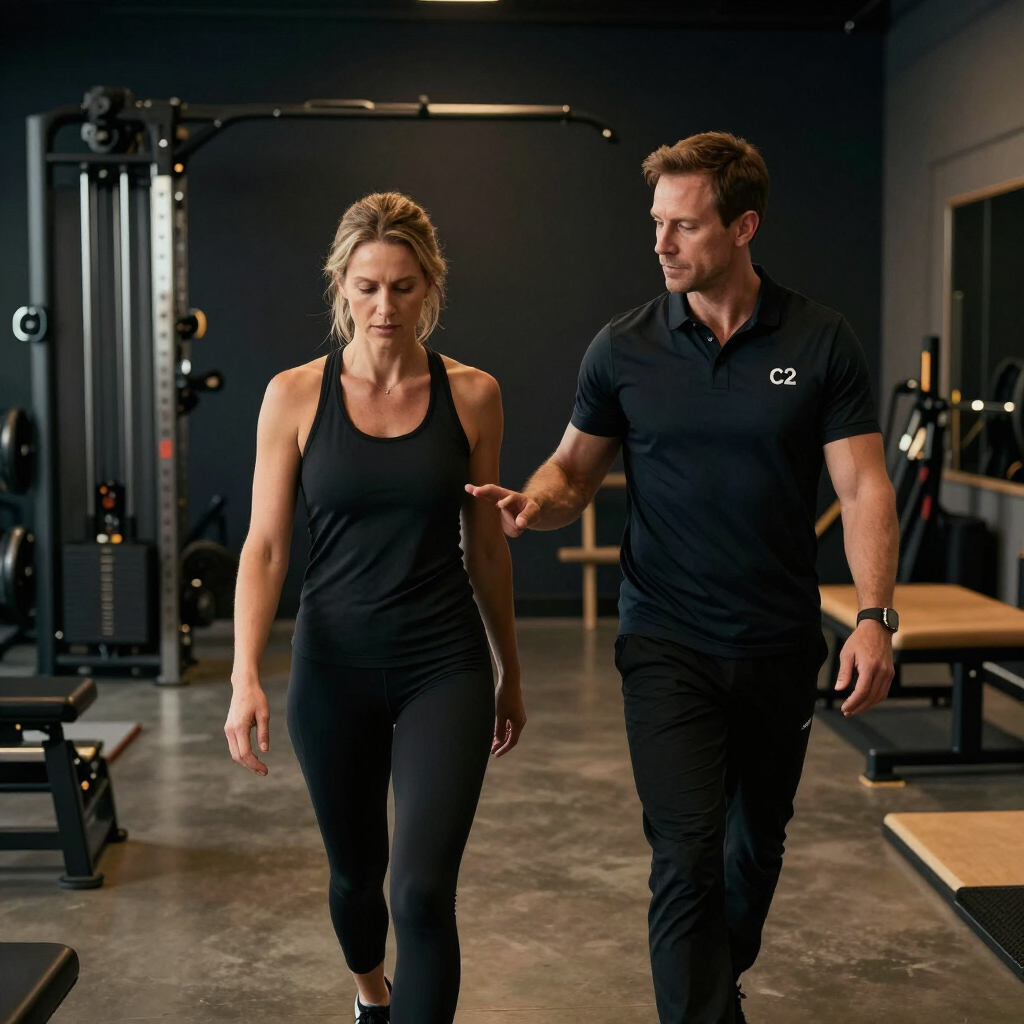
Early in my coaching career, I made a mistake that many coaches make. I ignored my instincts and experience in favor of what I thought would keep people happy. I believed that if I gave members hard workouts every day, they would feel accomplished, challenged, and satisfied. At the time, I thought that was my job. What I did not realize was that   I was confusing effort with effectiveness.


People trusted me to help improve their fitness, their health, and their confidence. Instead, I was often delivering fatigue. I was chasing intensity instead of outcomes, and I was doing it out of fear. Fear of members getting bored. Fear of people thinking the workout was not hard enough. Fear of losing members if things felt too controlled or too restrained.


Looking back, I was not doing anyone justice, including myself as a coach.Hard workouts are easy to design. You can always add more weight, more reps, more rounds, or less rest. You can always make something feel difficult. That part of coaching is not complicated.What is difficult is restraint.


Effective training requires saying no more often than yes. It requires understanding that the goal of a workout is not exhaustion, but adaptation. It requires recognizing that different bodies respond differently to stress, and that long term progress depends on managing that stress appropriately.

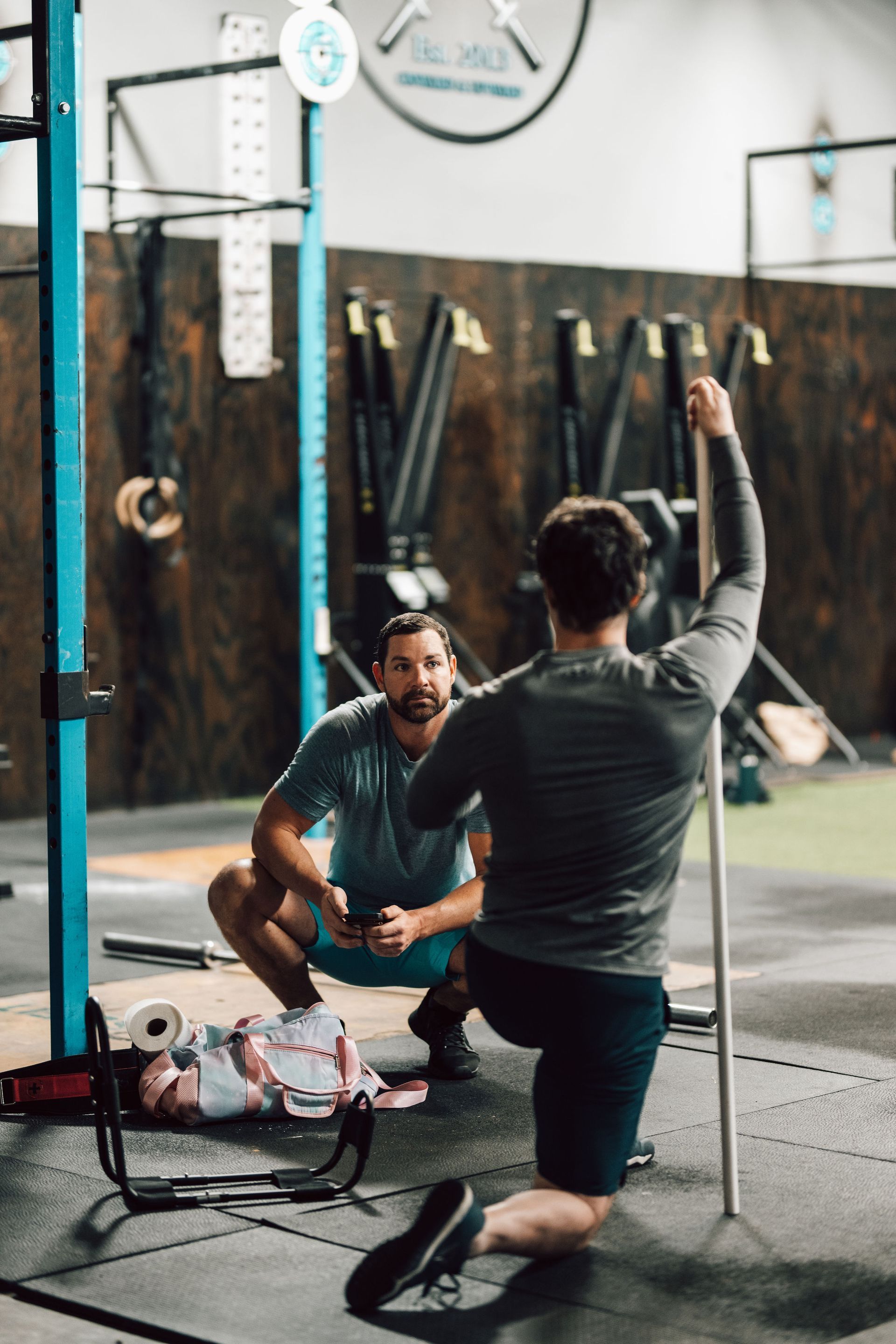
Over time, I learned that my responsibility was not to entertain people or to leave them lying on the floor after every session. My responsibility was to create a long term health and fitness plan for each individual. A roadmap that helped them become stronger, more capable, and more confident over time.


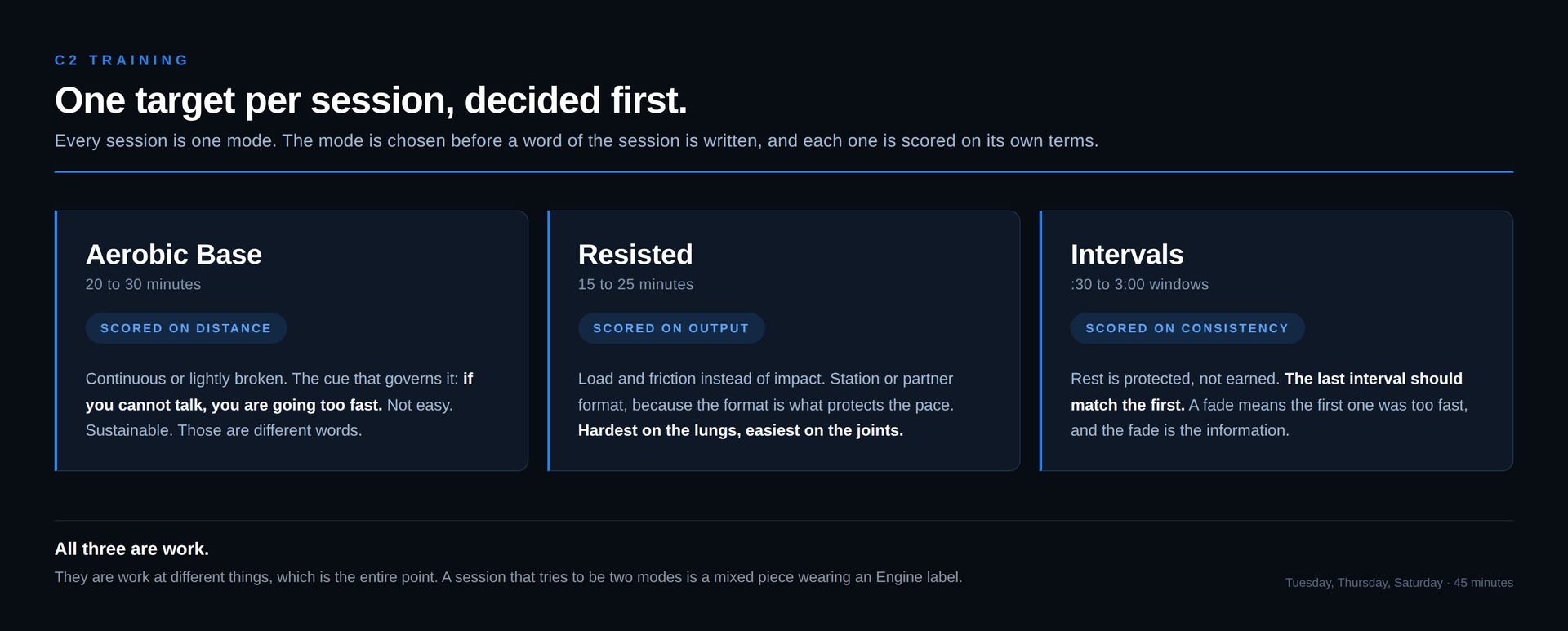
That means some days are hard. Truly hard. But they are hard for a reason. They are hard because the stimulus is intentional and aligned with the goal of the day. Other days are simpler, more controlled, and often harder to execute correctly because they require patience and discipline rather than adrenaline.Today, we coach to the intent of the workout, not the ego of the moment.


We do not chase weights or reps just to make something feel impressive. We use the program template as a guide. We use the plan to determine appropriate loading, pacing, and volume. The goal is to hit the intended stimulus, not to win the workout. That shift changed everything.


Members stopped feeling beat up all the time. Progress became more predictable. Confidence improved because people understood why they were doing what they were doing. Training became something that supported their life instead of competing with it.


Effective training takes restraint. It takes patience. It takes the willingness to do what is right instead of what is loud.


That is the difference between hard workouts and real coaching.


Onward and Upward


Mike
By Mike Ratnofsky December 12, 2025
Learn why staying consistent with strength training during the holidays protects strength, metabolism, and momentum, and makes January progress easier.
By Mike Ratnofsky December 10, 2025
Most adults don’t struggle because of a lack of effort. They struggle because their training, lifestyle, and recovery needs were never designed for their body. Traditional group classes treat every athlete the same. Same movements, same frequency, same expectations. But people adapt differently. Bodies respond differently. Stress levels, recovery capacity, hormone profiles, and sleep quality all vary. When the plan ignores that, results suffer. This is why C2 was built around a different idea. Your training should fit you, not the other way around. You train in a group environment, but the intention behind your plan is personalized. Your physiology, your schedule, your goals, your current season of life. The group provides the energy, accountability, and support. The personalization creates the actual progress. Why individualization matters The American College of Sports Medicine states that training must follow the principle of individual variability. Two athletes can complete the same workout and experience completely different adaptations. Research from the Journal of Applied Physiology shows that muscle protein synthesis and recovery can vary by more than 50 percent between individuals. Strength, work capacity, and movement quality improve at different rates for different people. Your training needs to match your body’s response, not someone else’s. How often you train matters Most adults make real progress on two to four strength-based sessions per week. But the right number depends on stress levels, sleep patterns, recovery capacity, and training history. Someone in a high-stress season may progress better with fewer focused sessions. Someone with years of training may thrive on a higher frequency. At C2, we help each athlete find an exact weekly rhythm that supports adaptation rather than fights against it. Accountability is personal Behavioral research from the American Psychological Association highlights that people respond to accountability in different ways. Some athletes stay consistent because they have structured sessions to complete. Others stay consistent because a coach is expecting them. Many thrive because the environment around them reinforces effort. This is why our hybrid accountability model works. We match the structure to the person so consistency becomes natural, not a constant battle. Where wellness fits into personalization Training is only one piece of the progress equation. Some athletes need deeper wellness support to optimize sleep, stress management, digestion, recovery, or hormone balance. Others do not. That is the point. It is individualized. Some people benefit from labs or targeted supplementation. A small percentage benefit from peptides or medical interventions under supervision. Many athletes need none of these tools. We recognize both realities. Our job is not to push wellness tools. Our job is to understand the whole picture and help each athlete find the right combination of training, recovery, nutrition, and, when appropriate, medically supervised support. This also includes knowing when to refer someone to a trusted professional outside the gym based on true need, not trends. Group training doesn’t have to mean generic training A well-designed group setting creates energy and consistency, but the progression inside it must be individualized. You may be training alongside others, but your plan is your own. Training volume, tempo, loading, progressions, wellness considerations, and accountability strategies are matched to the individual, not the room. This is what makes progress sustainable. Research from the University of New England shows that people training in supportive group environments stay more consistent and enjoy their training more. When that environment includes individualized progression, improvements in strength, body composition, and overall well-being increase significantly. This is the model we run at C2. Individual plans. Individual accountability. Individual pathways. A supportive room around you that elevates your effort. Real training designed for real people who want results that actually last.
By Mike Ratnofsky November 26, 2025
GLP one medications are powerful, but the real magic happens when they are paired with a healthy lifestyle GLP one medications like semaglutide and tirzepatide have taken over every conversation in health and wellness. More people than ever are turning to medical support to finally break through years of weight struggles, insulin resistance, and metabolic dysfunction. These medications work by slowing gastric emptying, improving blood sugar control, reducing cravings, and increasing satiety. All of this contributes to steady, reliable weight loss for people who have previously felt stuck. But here is the truth that most people misunderstand. GLP one medications are not a magic fix on their own. They become truly life changing when combined with strength training, protein centered nutrition, proper hydration, structured sleep, and lifestyle support. In other words, the medication is the accelerator but the habits you build are the engine.
Show More