Walking for Health: Why Structured Walking Is One of the Most Powerful Tools for Long Term Fitness
The benefits of walking for strength, recovery, and overall health for adults of all ages.
When most people think about improving their health, they often focus on workouts.
Strength training.
High intensity conditioning.
Running or cycling.
Very few people think about walking.
But walking for health may be one of the most effective and sustainable ways to improve cardiovascular fitness, support recovery, and maintain long term physical performance.
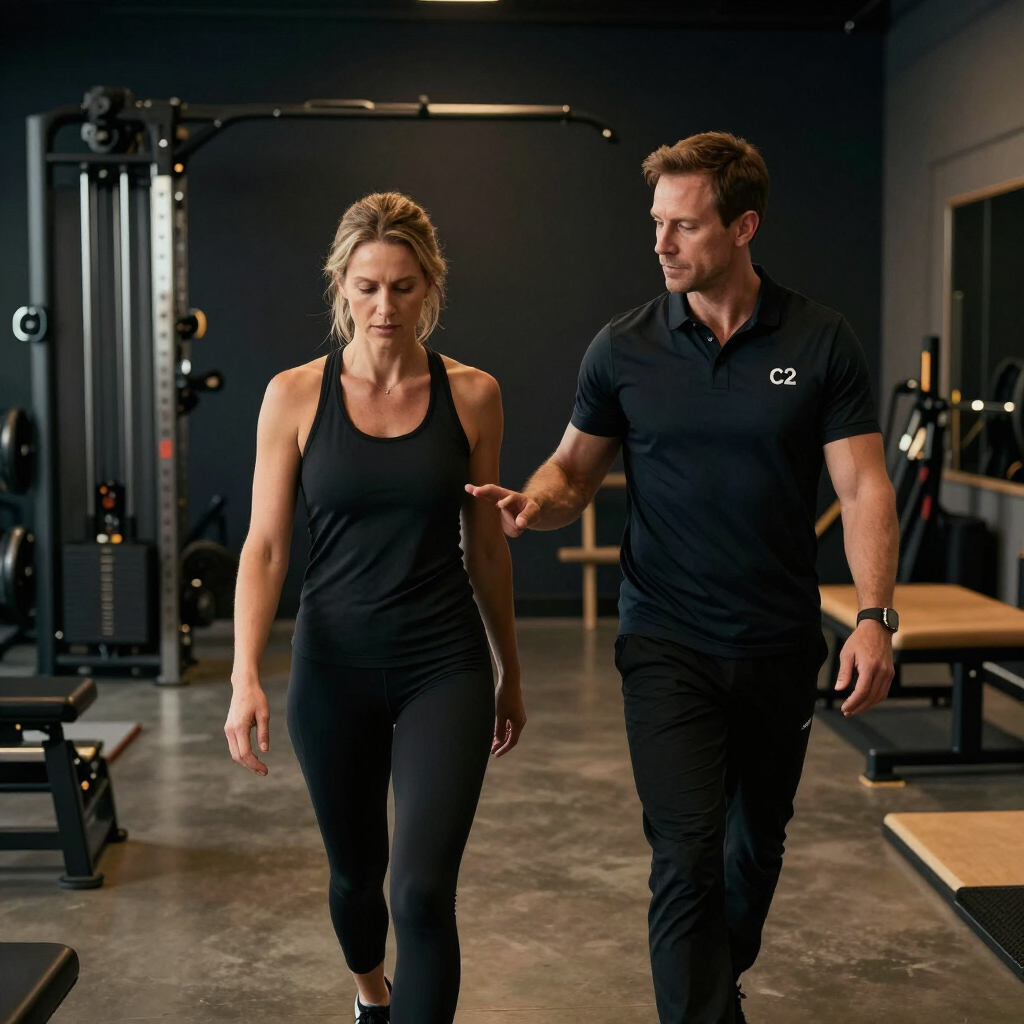
At C2, our structured strength training programs in Cornelius are designed to work alongside low intensity movement like walking to support long term progress and recovery.
Walking is simple, but when used consistently it provides significant benefits for people of all ages and fitness levels.
The Health Benefits of Walking
The benefits of walking go far beyond simply getting steps each day.
Research consistently shows that regular walking supports:
Improved cardiovascular health
Better blood sugar regulation
Reduced joint stiffness
Improved recovery between workouts
Lower stress levels
Improved long term metabolic health
For adults looking to stay active and maintain energy, walking is one of the safest and most accessible ways to support overall health.
Walking Supports Recovery Between Workouts
Many people assume that more intense training leads to faster results. In reality, progress happens when the body is able to recover and adapt.
High intensity workouts place significant stress on muscles, joints, and the nervous system. Walking allows the body to continue moving while improving circulation without adding additional fatigue.
Regular walking can help:
Improve blood flow to working muscles
Reduce soreness after training
Support joint health and mobility
Improve recovery between strength training sessions
For athletes training multiple days per week in CrossFit or Hybrid training programs, walking helps maintain movement without interfering with recovery.
Walking Improves Cardiovascular Health
Walking is also one of the most effective ways to build aerobic fitness.
Aerobic capacity plays a major role in:
Heart health
Endurance
Recovery between workouts
Energy levels throughout the day
A steady walking pace trains the body to use oxygen more efficiently and supports cardiovascular health without placing excessive stress on the body.
This makes walking particularly valuable for adults looking to improve their fitness while minimizing injury risk.
Walking Supports Joint Health and Longevity
One of the most important benefits of walking is its impact on joint health.
Unlike high impact activities, walking places minimal stress on the hips, knees, and ankles while still encouraging movement through those joints.
For adults in their 40s, 50s, and beyond, consistent walking helps maintain mobility and reduce stiffness while keeping the body active.
It is one of the most sustainable ways to maintain physical activity over decades.
Walking Helps Regulate Blood Sugar and Metabolism
Another powerful benefit of walking is its impact on metabolic health.
Walking after meals can help regulate blood sugar levels and improve insulin sensitivity.
Regular walking can also:
Support weight management
Increase daily calorie expenditure
Improve digestion
Support metabolic health over time
These small, consistent habits often have a larger long term impact than occasional high intensity exercise.
Walking Supports Mental Health
Walking also has powerful mental health benefits.
Stepping outside for a walk helps reduce stress, regulate the nervous system, and improve focus.
For many people, walking provides an opportunity to disconnect from screens and create space for mental recovery.
Consistent walking habits have been shown to support better sleep, improved mood, and overall mental wellbeing.
Why We Include Walking Protocols at C2 in Cornelius
At C2 in Cornelius, walking is intentionally programmed to complement strength training and conditioning.
Our walking protocols focus on three types of sessions:
Moderate paced recovery walks
Interval style walks that gently challenge the cardiovascular system
Longer steady walks that build aerobic capacity
This approach allows athletes to stay active between training days without interfering with recovery or progress.
It also reinforces one of the most important ideas in long term fitness.
Consistency matters more than intensity.
A Simple Habit With Long Term Impact
Walking will never be the flashiest part of a fitness program.
It will not produce the excitement of a heavy lift or a challenging workout.
But when practiced consistently, walking becomes one of the most reliable habits for improving health and maintaining physical capacity over time.
Strength training builds muscle.
Structured training improves performance.
Walking supports everything else.
Walking for Health in Cornelius and the Lake Norman Area
For many adults living in Cornelius, Davidson, Huntersville, and the greater Lake Norman area, walking is one of the most accessible ways to stay active between workouts.
Whether you’re walking through Smithville Park, along the Cornelius or Davidson Greenway, or simply around your neighborhood, consistent low intensity movement can make a meaningful difference in recovery, energy levels, and overall health.
At C2 in Cornelius, we incorporate walking protocols alongside structured strength training to help athletes maintain long term progress while protecting joint health and recovery.
If you live in Cornelius, Davidson, or the Lake Norman area and want to see how structured training and walking protocols fit into a long term plan, you can schedule a consultation at C2 here.